
What We Called the Future in 1998
The capsule promised us flying commutes and paperless offices. It got the loneliness half right and the technology almost entirely wrong.
The capsule promised us flying commutes and paperless offices. It got the loneliness half right and the technology almost entirely wrong.
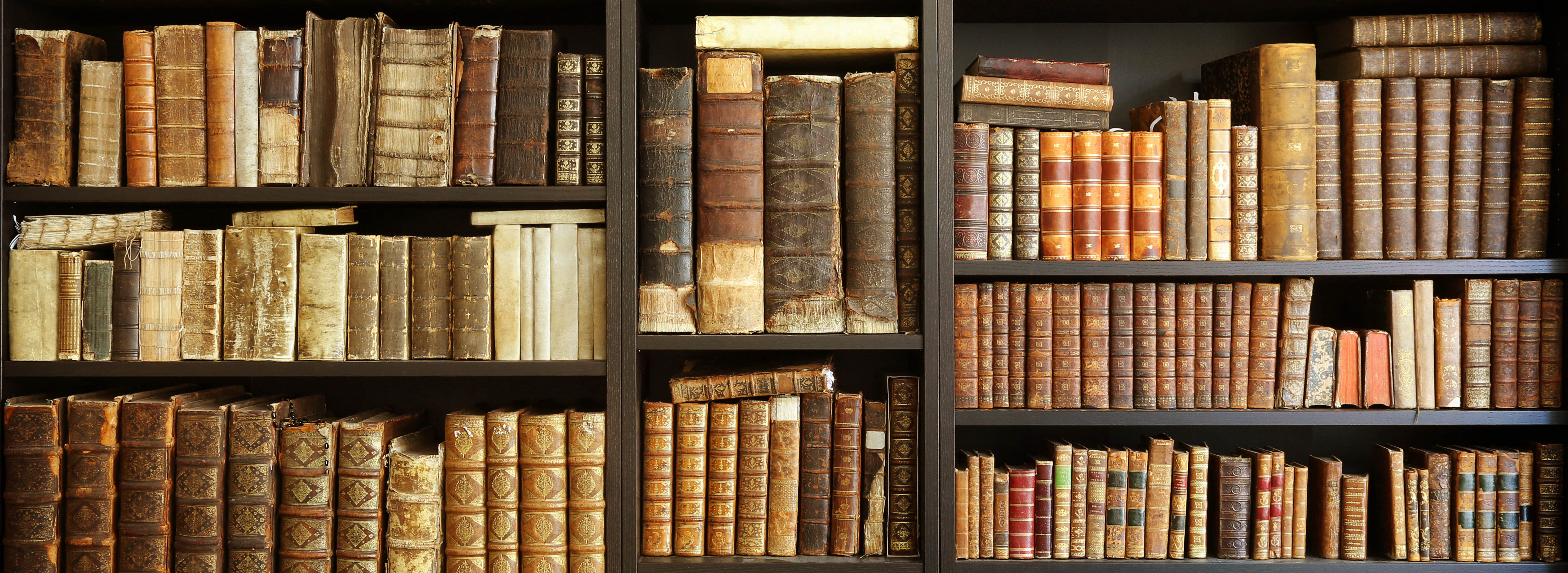
Bookbinder Rosa Delacroix on repairing spines, resisting digitization, and what a book owes its reader physically.
The waitress knows the bypass will kill the place. She keeps the coffee coming anyway, on the theory that a good last year is still a year.
Nobody expects the sequel to be better. We watch it anyway, for reasons that have very little to do with quality and everything to do with company.
She has read thousands of strangers' letters for a living, and says the job taught her more about privacy by violating it than any principle ever could.
Somewhere in the basement is a piece nobody currently on staff has ever seen catalogued, in a museum that has otherwise done everything right.
The town clock could be automated in an afternoon. He climbs the tower every Sunday anyway, and has for thirty-eight years.
The grammar of a bad apology is not hard to diagnose. It just moves the subject from the wrongdoer to the wronged, and everyone can feel it happen.
He kept the light for twenty-nine years by hand, then for six more after it no longer needed him, out of something closer to loyalty than duty.
Every restoration is also an erasure - of dirt, yes, but also of the centuries the dirt was quietly recording.
Give a parking lot five years of neglect and it will tell you, in weeds, exactly which species were only ever waiting for permission.
When the water finally dropped low enough, the old road reappeared first, then the foundations, then the argument about whose fault it was.